


Yes, tattoos usually use ink, but the composition of modern tattoo ink is different from traditional ink and is mainly composed of pigments suspended in a carrier solution.
The core components of tattoo ink
1. Combination of pigments and carriers
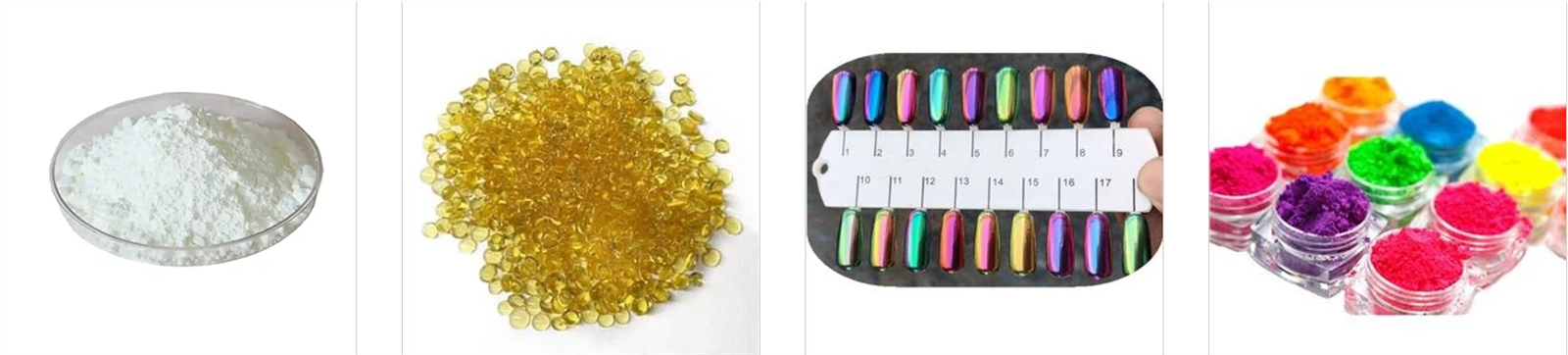
Tattoo ink is not a traditional writing ink, but is made from particles of pigment (such as metal salts, plastics, or plant dyes) suspended in a carrier solution (for disinfection and uniform mixing).
For example, black pigments may contain iron oxide, carbon or soot, and red may contain cinnabar or cadmium red.
2. Diversity and uncertainty of ingredients
The chemical composition of tattoo inks lacks uniform regulation (such as the FDA does not strictly regulate), and manufacturers usually do not disclose the formula, resulting in the possible trade confidentiality of the ingredients.
Some modern tattoos use liquid plant pigments, which are less likely to cause infection than traditional dyes.
Health and safety precautions
Potential risks: Pigments may cause allergies, phototoxic reactions or long-term health problems, especially plastic-based or luminescent pigments.
Authoritative Suggestions:
Choose a small area tattoo that operates properly and avoid colored ink to reduce risk.
If you need to remove temporary tattoos, you can use alcohol or lemon juice, but you need to pay attention to skin irritation.
Special technical cases
Nanotato ink: Nanotato ink developed by MIT contains nanoparticles, which can be used to monitor blood sugar in real time, and is a medical-grade
application.
Summary: The "ink" used in tattoos is essentially a mixture of pigments and carriers, with complex ingredients and careful choice.