

Dye
Your Professional Pigment Manufacturer
Hangzhou Tiankai is a professional enterprise which specialized in import and export products and services. It is recognized as one of the medium-small sized and well-know enterprise of zhejiang.To be distributed all over the world, our company specializes mainly in the export goods of more than 90 varieties of both inorganic and organic pigments of top, medium and low grades.
Professional Technicians
We have experienced technical staff to run the testing with the customer-formula before shipment. We invest the equipment to give our customers to get the right quality with the right standard.
Excellent Product Quality
As the professional exporter of pigments, we promote with quality pigments to meet quality requirements from different customers.
Sales To All Over The World
Our goal is to be the shortest supplying line to our clients based on our products related in pigments and other chemicals in paints, printing and packaging industries.
Wildely Application
Widely used in the colorations of solvent.ink ,water- based ink, plastic, coating, rubber, leather, and coating printing as well as stationery products and so on.
-
![Optical Brightener OB For PVC And Plastic Elastomer]() Optical Brightener OB For PVC And Plastic ElastomerFluorescent whitening agent OB is widely used in polyolefin; Plastic elastomer and fluorescent whitening agent in PVC.read more
Optical Brightener OB For PVC And Plastic ElastomerFluorescent whitening agent OB is widely used in polyolefin; Plastic elastomer and fluorescent whitening agent in PVC.read more -
![Oil-based Colorant Metal Complex Colorant Wood Coloring Paint And Ink Dye For Wood Coatings Inks Shoe Polish Leather Plastic Etc]() Oil-based Colorant Metal Complex Colorant Wood Coloring P...Oil-based colorant, metal complex colorant, wood coloring, paint and ink dye, trial pack 100g per bottle High transparency, high acid and alkali resistance, high heat fastness, environmentally...read more
Oil-based Colorant Metal Complex Colorant Wood Coloring P...Oil-based colorant, metal complex colorant, wood coloring, paint and ink dye, trial pack 100g per bottle High transparency, high acid and alkali resistance, high heat fastness, environmentally...read more -
![Multi Colors Perfume Dyes Perfume Colorants Coloring Agents Water-soluble Pigment]() Multi Colors Perfume Dyes Perfume Colorants Coloring Agen...Perfume pigments are specialized coloring additives developed for perfume product research. Their core function is to give customized colors to the transparent/colourless base of perfumes, taking...read more
Multi Colors Perfume Dyes Perfume Colorants Coloring Agen...Perfume pigments are specialized coloring additives developed for perfume product research. Their core function is to give customized colors to the transparent/colourless base of perfumes, taking...read more -
![Acid Dye Acid Violet 19 Fuchsin Acid Cas No.3244-88-0 Water Based Dye For Ink]() Acid Dye Acid Violet 19 Fuchsin Acid Cas No.3244-88-0 Wat...Acid Violet 19 is an anionic water-soluble acid dyestuff. It appears as dark olive green powder, easily soluble in cold water to form bright magenta solution. It has good light stability and...read more
Acid Dye Acid Violet 19 Fuchsin Acid Cas No.3244-88-0 Wat...Acid Violet 19 is an anionic water-soluble acid dyestuff. It appears as dark olive green powder, easily soluble in cold water to form bright magenta solution. It has good light stability and...read more -
![Anodized Aluminum Anodizing Dye For Metal Products]() Anodized Aluminum Anodizing Dye For Metal ProductsAluminum anodizing dyes are specialized functional colorants designed specifically for coloring the anodic oxide films of aluminum and aluminum alloys; they are primarily classified into organic...read more
Anodized Aluminum Anodizing Dye For Metal ProductsAluminum anodizing dyes are specialized functional colorants designed specifically for coloring the anodic oxide films of aluminum and aluminum alloys; they are primarily classified into organic...read more -
![35 Colors Of Immersion Dyes For Resin And Plastic PMMA Dyeing]() 35 Colors Of Immersion Dyes For Resin And Plastic PMMA Dy...High-concentration, low-temperature, special water-based dyes for resin and plastic dyeing, acrylic PMMA dyes. 35 colors of immersion dyes.read more
35 Colors Of Immersion Dyes For Resin And Plastic PMMA Dy...High-concentration, low-temperature, special water-based dyes for resin and plastic dyeing, acrylic PMMA dyes. 35 colors of immersion dyes.read more -
![Oil Based Dyes Various Colors Diesel Pigments Oil Soluble Dyes Fluorescent Yellow For Diesel Gasoline Etc]() Oil Based Dyes Various Colors Diesel Pigments Oil Soluble...Oil Based Dyes Various Colors diesel Pigments Oil Soluble Dyes Fluorescent Yellow for diesel Gasoline Etcread more
Oil Based Dyes Various Colors Diesel Pigments Oil Soluble...Oil Based Dyes Various Colors diesel Pigments Oil Soluble Dyes Fluorescent Yellow for diesel Gasoline Etcread more -
![Washing And Daily Chemical Dyes Antifreeze Solution Dye Water Soluble Dye]() Washing And Daily Chemical Dyes Antifreeze Solution Dye W...Washing and daily chemical dyes antifreeze solution dye water soluble dyeread more
Washing And Daily Chemical Dyes Antifreeze Solution Dye W...Washing and daily chemical dyes antifreeze solution dye water soluble dyeread more -
![Chicken Feather Dye]()
-
![Acid Navy Blue S-G 150]() Acid Navy Blue S-G 150Acid dye acid blue 317 acid navy blue S-G 150% for dyeing wool and silkread more
Acid Navy Blue S-G 150Acid dye acid blue 317 acid navy blue S-G 150% for dyeing wool and silkread more -
![Reactive Brown 11]() Reactive Brown 11Reactive brown dyes reactive brown P-6R reactive brown 11 for dyeing cotton fabricread more
Reactive Brown 11Reactive brown dyes reactive brown P-6R reactive brown 11 for dyeing cotton fabricread more -
![C.I. Vat Red 10]() C.I. Vat Red 10Vat red dyes vat red FBB C.I. vat red 10 for dyeing cotton and viscose fabricread more
C.I. Vat Red 10Vat red dyes vat red FBB C.I. vat red 10 for dyeing cotton and viscose fabricread more


History of dye
Textile dyeing dates back to the Neolithic period. Throughout history, people have dyed their textiles using common, locally available materials. Scarce dyestuffs that produced brilliant and permanent colors such as the natural invertebrate dyes Tyrian purple and crimson kermes were highly prized luxury items in the ancient and medieval world. Plant-based dyes such as woad, indigo, saffron, and madder were important trade goods in the economies of Asia and Europe. Across Asia and Africa, patterned fabrics were produced using resist dyeing techniques to control the absorption of color in piece-dyed cloth. Dyes from the New World such as cochineal and logwood were brought to Europe by the Spanish treasure fleets, and the dyestuffs of Europe were carried by colonists to America.
What is Dye?
Dyes refer to a type of organic compound that can give other substances a bright and firm color. As pigments used today are all artificially synthesized, they are also known as synthetic dyes. Dyes and pigments are generally compounds that have their own color and can give other substances a bright and firm color in a molecular or dispersed state.
Production of Dye
In general, organic compounds such as naphthalene are reacted with an acid or an alkali along with an intermediate (such as a nitrating or a sulfonating compound) and a solvent to form a dye mixture. The dye is then separated from the mixture and purified.
Properties of Dye:
Chromaticity
Dyes must be able to achieve a certain concentration of color and have a certain dyeing enhancement rate.
Coloring ability
It has a certain affinity or directness with textile materials.
Solubility
It can be directly dissolved in water or dissolved in water through chemical reactions.
Color fastness
The colors dyed on textile materials must have a certain degree of durability and are not easily faded or discolored.
Types of Dye:
1.Direct Dye
2.Reactive Dye
3.Vat Dye
4.Disperse Dye
5.Acid Dye
6.Basic Dye
7.Sulfur Dye
8.Solvent Dye
Application of each Dye
Direct Dye: This type of dye can be directly applied to various fibers such as cotton, linen, silk, and wool without relying on other chemicals.
Reactive Dye: This type of dye can be used for dyeing various textiles such as cotton, linen, silk, wool, viscose, nylon, and vinylon.
Vat Dye: Vat dyes can be used for dyeing cotton, polyester cotton, and cotton blend fabrics.
Disperse Dye:
This type of dye is mainly used for printing and dyeing of polyester and its blended fabrics. It can also be used for printing and dyeing synthetic fibers such as acetate fiber, nylon, polypropylene, chlorinated fiber, and acrylic fiber.
Acid Dye:
This type of dye is mainly used for dyeing wool, silk, and nylon.
Basic Dye:
Mainly used for coloring cultural and educational supplies, paper, and manufacturing color lakes.
Sulfur Dye:
Sulfur dyes are dyes that need to be dissolved in sulfide alkali, mainly used for dyeing cotton fibers, and can also be used for cotton/vitamin blend fabrics.
Solvent Dye:
Solvent dyes are mainly used for coloring wood and plastics, as well as for transparent paints, inks, fats, oils, waxes, soaps, petroleum products, and aerosol.
Colourants: dyes vs pigments
We are looking for a cooperative partner to expand our business.
Colors
A colourant is a substance that is used to impart colour to matter. Dyes and pigments are the main forms of colourant. The main difference between them is that dyes are soluble and pigments are insoluble and are suspended in a medium or binder.
Particle size
Dye particles are much smaller than pigment particles. As dyes are soluble and pigments insoluble, you might then imagine dye particles dissolving in water, while pigment particles must be suspended in a binder.
Another difference is bonding properties, so where a dye might chemically attach itself to a substrate on a molecular level, becoming part of the material, pigments require the binder or carrier to act as a glue of sorts that is painted on to the substrate and surrounds the pigment and keeping it in place.
Lightfastness
One of the behavioural differences is their lightfastness properties (the level at which they fade when exposed to light). Pigments have the ability to resist this fading process, whereas dyes are more vulnerable to fading or bleaching caused by ultraviolet light from the sun.
Sunlight (UV rays) can break electronic bonding of a dye molecule and destroy its colour, which is why dyes fade; imagine a pair of denim jeans fading or a patch of wallpaper where there had been a hanging picture. Some people will choose dyes purposely for this reason and enjoy the natural fading process, while others will require a more permanent colour.
Most people mix the dye with pigments, and so do they mix their applications. Though they both can be used interchangeably, yet there’s a wide difference between them and their applications. The dyes and pigments are significant ingredients required for painting and coloring multiple products.
The paint, plastic, textile, and ink industries rely on dyes and pigments to get the perfect shade for their products.
Generally, both dyes and pigments are substances that impart color to a material. The term colorant can be used for both dyes (also called dyestuffs) and pigments. The major difference between dyes and pigments is the particle size; dyes are much greater than pigments.

Dyeing Methods
Dyeing can be applied at various stages within the textile manufacturing process; for example, fibers may be dyed before being spun into yarns, and yarns may be dyed before being woven into fabrics.
Dope dyeing
In dope dyeing, pigments are added to the polymer solution itself before extruding the fibers. The process provides the dyed fibers with excellent fastness properties. The dope dyeing applies to synthetic fiber only.
Fiber dyeing
In fiber dyeing, the dyeing takes place at the fiber stage before they are spun into yarn. It is also called stock dyeing. Examples are melanges and medleys.
Yarn dyeing
In yarn dyeing, the yarns are dyed first before the fabric manufacturing stage. The yarn dyeing happens in hanks or in package dyeing. Package dyeing is a method where yarns are wound on perforated cones placed in a dye vessel.
What are the main components of dyes?
The main components of dyes are organic compounds. Dyes can be divided into two types: natural dyes and synthetic dyes. Natural dyes are dyes extracted from plants, animals, or minerals, such as indigo and madder red. Synthetic dyes are dyeing substances obtained through chemical synthesis, which have advantages such as color stability and good dyeing effects.
Advantages of Natural Dye
There is no significant environmental impact
Natural dyes are not affect the environment because they are derived from natural sources. Biodegradable natural dyes can be disposed of without polluting the environment.
01
Use with confidence
Although natural dyes are not completely harmless, they are less hazardous than their synthetic equivalents in terms of health and safety. Many natural colours are allowed as food additives, including annatto, turmeric, and saffron.
02
No staining
Numerous natural dyes have the advantage that, while having low wash fastness ratings, they do not stain nearby materials during washing since the dye is not strongly attracted to the cloth.
03
Provides a vibrant and distinctive colour scheme
Provides a vibrant and distinctive colour scheme
04
Renewable
Natural dyes come from renewable resources that can be used without causing environmental harm
05
Other important dyes
A number of other classes have also been established, including:
- Oxidation bases, for mainly hair and fur
- Laser dyes: rhodamine 6G and coumarin dyes.
- Leather dyes, for leather
- Fluorescent brighteners, for textile fibres and paper
- Solvent dyes, for wood staining and producing colored lacquers, solvent inks, coloring oils, waxes.
- Contrast dyes, injected for magnetic resonance imaging, are essentially the same as clothing dye except they are coupled to an agent that has strong paramagnetic properties.
- Mayhems dye, used in water cooling for looks, often rebranded RIT dye.
How to Use the Bucket Method to Dye Fabric
- Fill Dyeing Vessel. Fill a bucket or sink with three gallons of hot water per pound of fabric to be dyed.
- Mix Dye Solution.
- Test the Color.
- Add Fabric to Dye Solution.
- Swirl Fabric in Solution.
- Rinse Fabric.
- Wash the Fabric.
- Dry the Fabric.
Selection of dyes
The selection of the appropriate dyes is most important because any given dye does not apply to every type of fiber. Dyes are classified according to many parameters, such as chemical structure, affinity, application method, desired colour fastness.
Indigo dyes have a poor wash and rubbing fastness on denim (cotton), so they are used to produce washed-down effects on fabrics.
The next important criterion for selecting dyes is the assessment of hazards to human health and the environment.
Impact of Dyes on Environment
1.Depending on exposure time and dye concentration, dyes can have acute and/or chronic effects on exposed organisms.
2.The presence of very small quantities of dyes in water (less then 1 ppm) is highly visible due to their brilliance.
3.The greatest environmental concern with dyes is their absorption and reflection of sunlight entering the water. Light absorption diminishes photosynthetic activity of algae and seriously influence on the food chain.
4.Dyes can remain in the environment for an extended period of time, because of high thermal and photo stability. For instance, the half-life of hydrolysed Reactive Blue 19 is about 46 years at pH 7 and 25°C.
5.Many dyes and their breakdown products are carcinogenic, mutagenicand/or toxic to life. Dyes are mostly introduced into the environment through industrial effluents.
Ways to Reduce Environmental Pollution by Dyes
The dyeing process as a whole creates several problem of dyes on environment, which are possible to reduce by knowing their sources and taking appropriate measures. These sources and the measures adoptable may be categorized as follows
1)Textile raw fibers may be contaminated with polluting chemicals.
2) Dyes contain pollutants and hazardous materials.
3) Auxiliary chemicals used during dyeing may have their own impact.
4) Dyeing operations are water-intensive leading to large volumes of effluent.
5) As far as possible recycling, reuse of the dyestuffs and chemicals should be practised.
6) Implement overall best management practices.
Hangzhou Tiankai is a professional enterprise which specialized in import and export products and services. It is recognized as one of the medium-small sized and well-know enterprise of zhejiang.To be distributed all over the world, our company specializes mainly in the export goods of more than 90 varieties of both inorganic and organic pigments of top, medium and low grades, which are widely used in the colorations of solvent.ink ,water- based ink, plastic, coating, rubber, leather, and coating printing as well as stationery products and so on
PROFESSIONAL TECHNICIANS: We have experienced technical staff to run the testing with the customer-formula before shipment. We invest the equipment to give our customers to get the right quality with the right standard.
EXCELLENT PRODUCT QUALITY: As the professional exporter of pigments, we promote with quality pigments to meet quality requirements from different customers.
SALES TO ALL OVER THE WORLD: Our goal is to be the shortest supplying line to our clients based on our products related in pigments and other chemicals in paints, printing and packaging industries.
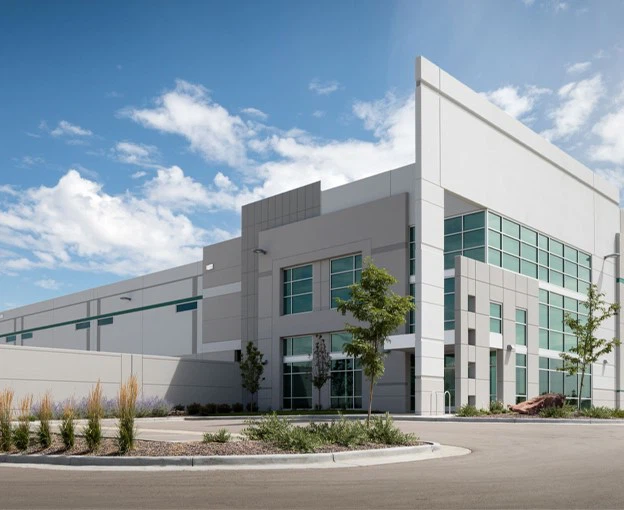
Our Certificate


Our Factory


FAQS
Q: What is a dye and what is its function?
Q: What are the types of dyes?
Q: How are dyes named?
Q: What is the application of dyes in the textile industry?
Q: What is the usage of textile dyes?
Q: What are the advantages of dyes?
B. Easy to process
C. High color fastness
Q: What are the three primary colors of dyes?
Q: What foods make natural dyes?
Pink: Avocados (the stones create a deeper shade than the skins)
Reddish-pink: Beets, raspberries, strawberries.
Purple: Red cabbage, blackberries, pomegranate seeds.
Yellow-gold: Pomegranate rind, yellow onion skins.
Green: Spinach, mint leaves.
Blue: Black beans, blueberries.
Brown: Coffee, tea.
Q: How long does fabric dye last?
Q: How permanent is leather dye?
Q: Which is the best dye for wool?
Q: What is the polyester dye method?
Q: What is the difference between direct dye and permanent dye?
Q: Why indigo is a vat dye?
Q: What are the principles of basic dyes?
We're well-known as one of the leading dye manufacturers and suppliers in China for our quality products and low price. Please feel free to buy bulk cheap dye from our factory. For quotation and free sample, contact us now. Also, discount information is available.